
Phytochemicals
Discover phytochemicals—plant compounds with antioxidant and anti-inflammatory benefits. Learn how these natural substances in fruits and vegetables protect against disease.
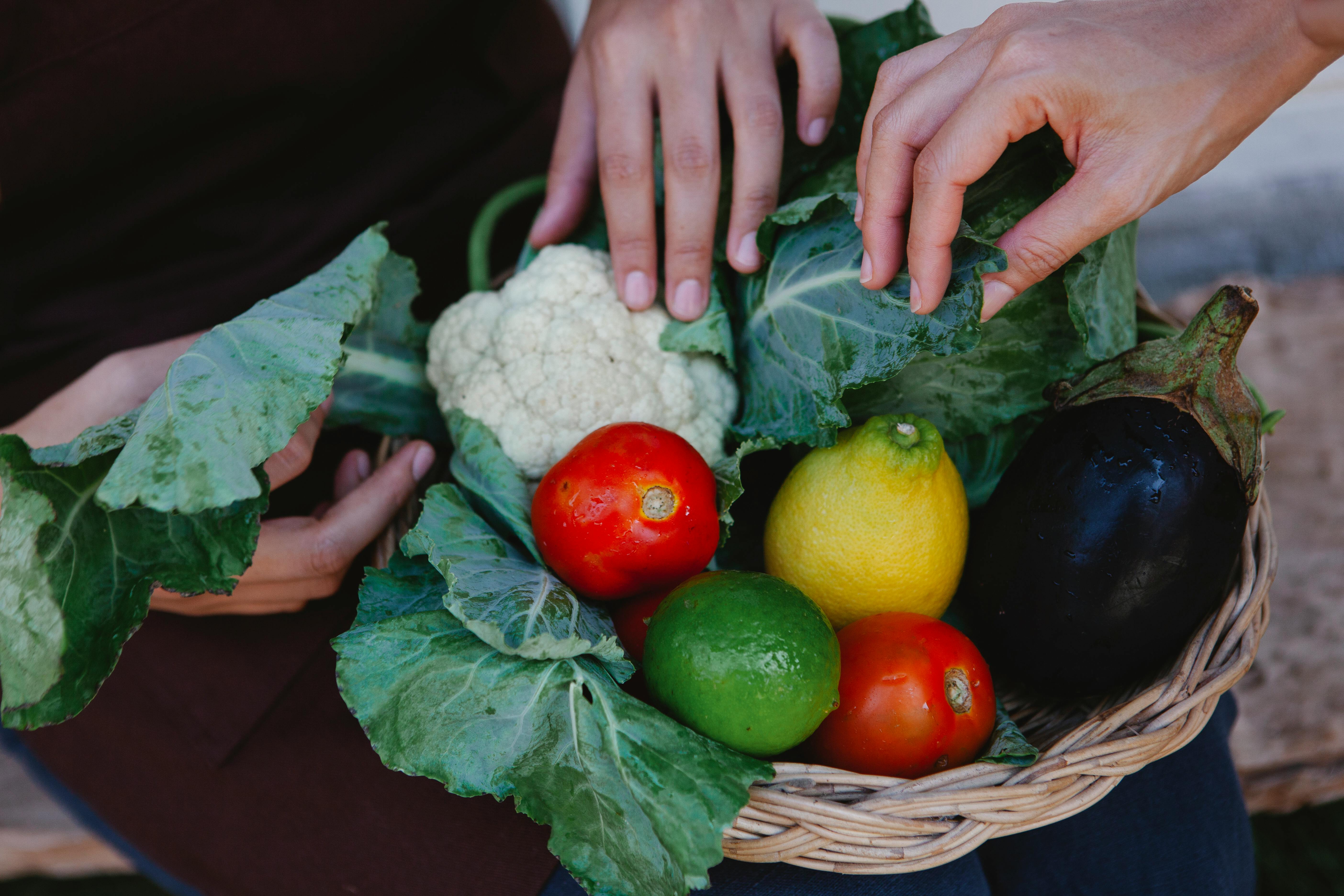
Phytochemicals - Plant compounds with potential health benefits, found in colorful fruits and vegetables.
Key Takeaways:
- Phytochemicals are natural compounds found in plants that provide health benefits, including antioxidant, anti-inflammatory, and disease-preventing properties.
- These compounds play a key role in protecting against chronic illnesses, such as heart disease and cancer, and improving overall well-being.
Phytochemicals are more than just nutrients—they are powerful plant compounds that can enhance your health in numerous ways. This article explores what phytochemicals are, their functions, and the best sources to include in your diet.
What Are Phytochemicals?
Phytochemicals are naturally occurring compounds in plants that contribute to their colour, flavour, and resistance to disease. While not essential nutrients like vitamins or minerals, they offer a range of health benefits, including protecting cells from damage and reducing inflammation.
Examples of Common Phytochemicals:
- Carotenoids - Found in carrots and sweet potatoes, these promote eye health.
- Flavonoids - Present in berries and dark chocolate, they have antioxidant properties.
- Glucosinolates - Found in cruciferous vegetables like broccoli, these may reduce cancer risk.
- Polyphenols - Found in green tea and red wine, they improve heart health.
- Lignans - Found in seeds like flaxseeds, they support hormonal balance.
Health Benefits of Phytochemicals
- Antioxidant Protection
- Phytochemicals neutralise free radicals, reducing oxidative stress and the risk of chronic diseases like cancer and heart disease.
- Anti-Inflammatory Effects
- Compounds like flavonoids and polyphenols help reduce inflammation, easing symptoms of conditions such as arthritis.
- Disease Prevention
- Phytochemicals can lower the risk of chronic illnesses, including diabetes, cardiovascular diseases, and certain cancers.
- Improved Gut Health
- Some phytochemicals act as prebiotics, promoting the growth of healthy gut bacteria.
- Enhanced Immune Function
- Compounds like carotenoids and polyphenols can boost immune response, helping to ward off infections.
Best Foods for Phytochemicals
| Food | Phytochemical | Health Benefit |
|---|---|---|
| Blueberries | Flavonoids | Antioxidant and anti-inflammatory |
| Spinach | Carotenoids | Eye and skin health |
| Broccoli | Glucosinolates | Cancer prevention |
| Green Tea | Polyphenols | Heart health |
| Flaxseeds | Lignans | Hormonal balance |
| Tomatoes | Lycopene | Reduces risk of prostate cancer |
How to Include Phytochemicals in Your Diet
Incorporating phytochemical-rich foods into your meals is simple:
- Add a variety of colourful fruits and vegetables to your plate.
- Drink green tea or black tea instead of sugary beverages.
- Snack on nuts and seeds for a dose of lignans and other compounds.
- Incorporate cruciferous vegetables like kale and cauliflower into your meals.
Phytochemicals vs Supplements
While supplements can provide a concentrated source of phytochemicals, whole foods are preferred for their synergistic effects and additional nutrients like fibre. Focus on a balanced diet rich in plant-based foods for optimal benefits.
Conclusion
Phytochemicals are nature’s way of enhancing your health. By including a variety of colourful, plant-based foods in your diet, you can harness the powerful benefits of these compounds to protect against chronic illnesses, reduce inflammation, and support overall well-being.
Make every meal an opportunity to nourish your body with the best nature has to offer.
Related Terms
- Antioxidants - Compounds that prevent oxidative damage in the body.
- Carotenoids - A group of phytochemicals beneficial for eye and skin health.
- Polyphenols - Plant compounds known for their heart-healthy properties.