
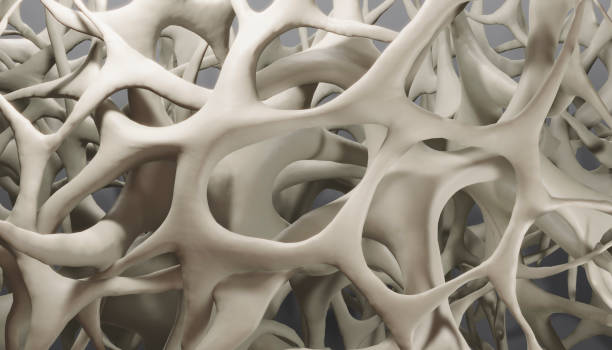
Bone density
Explore the Galveston Diet for managing menopause-related weight gain and inflammation, with key principles, foods, and tips to get started.
- Bone density is the strength and mineral content of bones, which supports overall skeletal health. - A bone density test (DEXA scan) can determine your bone health and risk for conditions like osteoporosis. - You can increase or maintain bone density through diet, exercise, and lifestyle changes, especially after age 60.
Key takeaways:
- Bone density is the strength and mineral content of bones, which supports overall skeletal health.
- A bone density test (DEXA scan) can determine your bone health and risk for conditions like osteoporosis.
- You can increase or maintain bone density through diet, exercise, and lifestyle changes; these are particularly important after the age 60.
Bone density plays a crucial role in your overall health, particularly as you age. This article explains what bone density is, how to measure it, and strategies to improve or maintain strong bones.
What Is Bone Density?
Bone density measures the amount of minerals, such as calcium and phosphate, in your bones. Stronger bones have a higher density, which reduces the risk of fractures and conditions like osteoporosis. For more information, visit the NHS Osteoporosis Guide.
How Is Bone Density Measured?
A bone density test, often performed with a DEXA scan, is a non-invasive procedure that determines your bone strength. This test calculates your T-score, comparing your bone density to that of a healthy young adult:
- Normal: T-score of -1.0 or above.
- Osteopenia: T-score between -1.0 and -2.5 (low bone density).
- Osteoporosis: T-score of -2.5 or below.
How to Increase Bone Density
Bone density naturally decreases with age, particularly after 60. However, you can take steps to maintain or even increase it:
Eat Calcium-Rich Foods
Calcium is vital for strong bones. Include dairy products, leafy greens, and fortified foods in your diet. Learn more about calcium-rich diets at Eatwell Guide by NHS.
Get Enough Vitamin D
Vitamin D helps your body absorb calcium. Sun exposure and foods like fatty fish and eggs are great sources.Visit the National Institutes of Health Vitamin D Fact Sheet for more guidance.
Incorporate Weight-Bearing Exercises
Activities like walking, jogging, or resistance training stimulate bone growth.
Limit Bone-Weakening Factors
Avoid smoking, excessive alcohol consumption, and high sodium diets, as they can weaken bones.
Consider Supplements if Needed
If you're not meeting your calcium or vitamin D requirements through diet, supplements may help under a doctor's guidance.
Regular check-ups and proactive measures are crucial as you age. Learn more about managing bone health as you age from NIH's Aging Guide.
| Age Range | Bone Density Trend |
|---|---|
| 20s | Peak bone mass reached. |
| 30s-40s | Gradual decline begins. |
| 50s-60s | Accelerated loss, especially in women post-menopause. |
| 60+ | Higher risk of fractures and osteoporosis. |
At-Home Strategies for Monitoring Bone Health
While a DEXA scan is the gold standard, you can monitor your bone health by:
- Tracking your calcium and vitamin D intake.
- Staying consistent with weight-bearing exercises.
- Being mindful of changes in posture or susceptibility to fractures.
Common Questions About Bone Density
1. What Age Should You Get a Bone Density Test?
Women should consider a test starting at age 65, or earlier if they are at risk for osteoporosis. Men should consult their doctor about testing around the same age. For detailed guidance, visit the American Bone Health Guidelines.
2. What Foods Are Best for Bone Density?
Dairy products, leafy greens, nuts, seeds, and fatty fish are excellent choices.For more food options, explore the NHS Live Well page.
3. How Long Does a Bone Density Test Take?
A typical DEXA scan takes 10–30 minutes and is completely painless.
Conclusion
Bone density is a vital indicator of overall health, particularly as you age. By focusing on a nutrient-rich diet, weight-bearing exercises, and regular check-ups, you can maintain strong bones and reduce the risk of fractures or osteoporosis.
Proactive steps today can support a healthier, more active future.
Related Terms
- DEXA Scan - A test that measures bone density to assess bone health.
- Osteoporosis - A condition characterised by weak bones and increased fracture risk.
- Calcium - A mineral essential for maintaining bone strength and density.
- Inflammation
- Collagen
- Hydration