
Calories
Discover what calories are, why they matter for weight, energy, and health, and get tips for tracking and managing intake effectively.
Key Takeaways
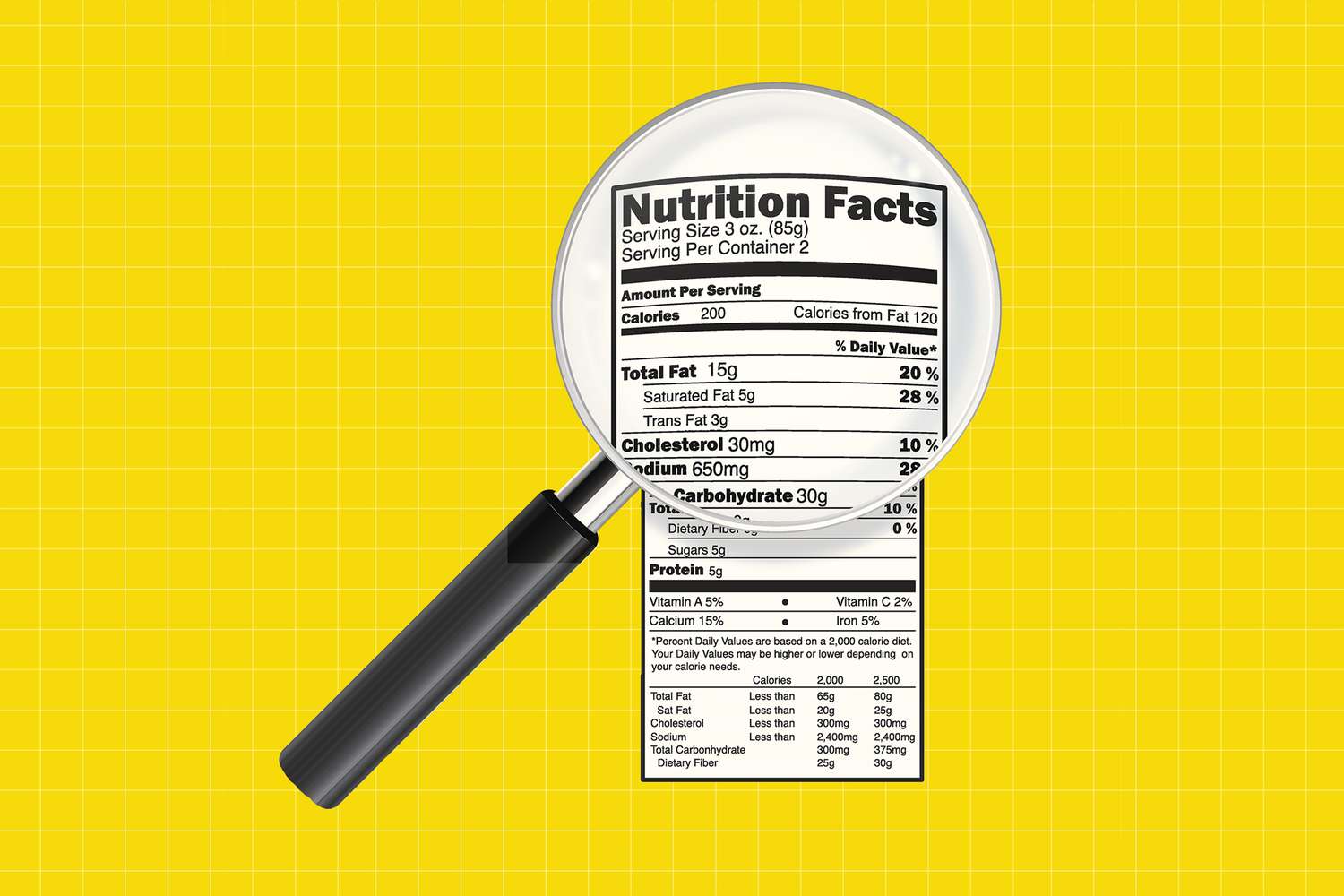
- Calories vary widely between food items based on their macronutrient composition, with fats providing more calories per gram than proteins or carbohydrates.- A calorie (kcal) is a unit of energy. It refers to the energy people receive from consuming food and beverages.# What are Calories?Calories are units of energy used to measure the energy content in food and beverages. They fuel the body’s essential functions, such as breathing, digestion, and physical activity. Simply put, calories represent the energy balance between what we consume and what we expend. For more information, visit the [NHS guide on understanding calories](https://www.nhs.uk/live-well/healthy-weight/managing-your-weight/understanding-calories/).
Sophie's Key take aways :- Calories vary widely between food items based on their macronutrient composition, with fats providing more calories per gram than proteins or carbohydrates.- A calorie (kcal) is a unit of energy. It refers to the energy people receive from consuming food and beverages.# What are Calories?Calories are units of energy used to measure the energy content in food and beverages. They fuel the body’s essential functions, such as breathing, digestion, and physical activity. Simply put, calories represent the energy balance between what we consume and what we expend. For more information, visit the NHS guide on understanding calories.
Calories are units of energy used to measure the energy content in food and beverages. They fuel the body’s essential functions, such as breathing, digestion, and physical activity. Simply put, calories represent the energy balance between what we consume and what we expend. For more information, visit the NHS guide on understanding calories.## Why Calories Matter#### Weight Management1. Caloric Surplus: Consuming more calories than burned leads to weight gain.1. Caloric Deficit: Consuming fewer calories than burned leads to weight loss.1. Caloric Maintenance: Consuming an equal amount of calories to energy expended maintains weight.#### Performance and Energy1. Adequate calorie intake supports physical and mental performance, providing energy for daily tasks and exercise.#### Health and Longevity1. Quality of calories matters as much as quantity. Nutrient-dense foods provide essential vitamins and minerals, reducing the risk of chronic diseases.
Weight Management1. Caloric Surplus: Consuming more calories than burned leads to weight gain.1. Caloric Deficit: Consuming fewer calories than burned leads to weight loss.1. Caloric Maintenance: Consuming an equal amount of calories to energy expended maintains weight.#### Performance and Energy1. Adequate calorie intake supports physical and mental performance, providing energy for daily tasks and exercise.#### Health and Longevity1. Quality of calories matters as much as quantity. Nutrient-dense foods provide essential vitamins and minerals, reducing the risk of chronic diseases.
Why Calories Matter#### Weight Management1. Caloric Surplus: Consuming more calories than burned leads to weight gain.1. Caloric Deficit: Consuming fewer calories than burned leads to weight loss.1. Caloric Maintenance: Consuming an equal amount of calories to energy expended maintains weight.#### Performance and Energy1. Adequate calorie intake supports physical and mental performance, providing energy for daily tasks and exercise.#### Health and Longevity1. Quality of calories matters as much as quantity. Nutrient-dense foods provide essential vitamins and minerals, reducing the risk of chronic diseases.
Why Calories Matter#### Weight Management1. Caloric Surplus: Consuming more calories than burned leads to weight gain.1. Caloric Deficit: Consuming fewer calories than burned leads to weight loss.1. Caloric Maintenance: Consuming an equal amount of calories to energy expended maintains weight.#### Performance and Energy1. Adequate calorie intake supports physical and mental performance, providing energy for daily tasks and exercise.#### Health and Longevity1. Quality of calories matters as much as quantity. Nutrient-dense foods provide essential vitamins and minerals, reducing the risk of chronic diseases.
Why Calories Matter#### Weight Management1. Caloric Surplus: Consuming more calories than burned leads to weight gain.1. Caloric Deficit: Consuming fewer calories than burned leads to weight loss.1. Caloric Maintenance: Consuming an equal amount of calories to energy expended maintains weight.#### Performance and Energy1. Adequate calorie intake supports physical and mental performance, providing energy for daily tasks and exercise.#### Health and Longevity1. Quality of calories matters as much as quantity. Nutrient-dense foods provide essential vitamins and minerals, reducing the risk of chronic diseases.### How Calories Work#### Prioritise Nutrient-Dense Foods- Focus on fruits, vegetables, whole grains, lean proteins, and healthy fats.#### Control Portion Sizes- Use smaller plates or weigh portions to avoid overeating.#### Stay Active- Regular exercise increases calorie expenditure and supports overall health.#### Listen to Your Body- Eat when you’re hungry and stop when you’re satisfied. tableHtml += ''; tableHtml += ''; data.forEach((row) => { tableHtml += ``; headers.forEach(header => { tableHtml += `${row[header]}`; }); tableHtml += ''; }); tableHtml += ''; const tableDiv = document.getElementById('dynamic-table'); if (tableDiv) { tableDiv.innerHTML = tableHtml; } else { console.error("Dynamic table div not found in the DOM."); } } catch (error) { console.error("Error parsing or rendering table data:", error); } }); ,
Prioritise Nutrient-Dense Foods- Focus on fruits, vegetables, whole grains, lean proteins, and healthy fats.#### Control Portion Sizes- Use smaller plates or weigh portions to avoid overeating.#### Stay Active- Regular exercise increases calorie expenditure and supports overall health.#### Listen to Your Body- Eat when you’re hungry and stop when you’re satisfied. tableHtml += ''; tableHtml += ''; data.forEach((row) => { tableHtml += ``; headers.forEach(header => { tableHtml += `${row[header]}`; }); tableHtml += ''; }); tableHtml += ''; const tableDiv = document.getElementById('dynamic-table'); if (tableDiv) { tableDiv.innerHTML = tableHtml; } else { console.error("Dynamic table div not found in the DOM."); } } catch (error) { console.error("Error parsing or rendering table data:", error); } }); ,
How Calories Work#### Prioritise Nutrient-Dense Foods- Focus on fruits, vegetables, whole grains, lean proteins, and healthy fats.#### Control Portion Sizes- Use smaller plates or weigh portions to avoid overeating.#### Stay Active- Regular exercise increases calorie expenditure and supports overall health.#### Listen to Your Body- Eat when you’re hungry and stop when you’re satisfied. tableHtml += ''; tableHtml += ''; data.forEach((row) => { tableHtml += ``; headers.forEach(header => { tableHtml += `${row[header]}`; }); tableHtml += ''; }); tableHtml += ''; const tableDiv = document.getElementById('dynamic-table'); if (tableDiv) { tableDiv.innerHTML = tableHtml; } else { console.error("Dynamic table div not found in the DOM."); } } catch (error) { console.error("Error parsing or rendering table data:", error); } }); ,
How Calories Work#### Prioritise Nutrient-Dense Foods- Focus on fruits, vegetables, whole grains, lean proteins, and healthy fats.#### Control Portion Sizes- Use smaller plates or weigh portions to avoid overeating.#### Stay Active- Regular exercise increases calorie expenditure and supports overall health.#### Listen to Your Body- Eat when you’re hungry and stop when you’re satisfied. tableHtml += ''; tableHtml += ''; data.forEach((row) => { tableHtml += ``; headers.forEach(header => { tableHtml += `${row[header]}`; }); tableHtml += ''; }); tableHtml += ''; const tableDiv = document.getElementById('dynamic-table'); if (tableDiv) { tableDiv.innerHTML = tableHtml; } else { console.error("Dynamic table div not found in the DOM."); } } catch (error) { console.error("Error parsing or rendering table data:", error); } }); ,
How Calories Work#### Prioritise Nutrient-Dense Foods- Focus on fruits, vegetables, whole grains, lean proteins, and healthy fats.#### Control Portion Sizes- Use smaller plates or weigh portions to avoid overeating.#### Stay Active- Regular exercise increases calorie expenditure and supports overall health.#### Listen to Your Body- Eat when you’re hungry and stop when you’re satisfied. tableHtml += ''; tableHtml += ''; data.forEach((row) => { tableHtml += ``; headers.forEach(header => { tableHtml += `${row[header]}`; }); tableHtml += ''; }); tableHtml += ''; const tableDiv = document.getElementById('dynamic-table'); if (tableDiv) { tableDiv.innerHTML = tableHtml; } else { console.error("Dynamic table div not found in the DOM."); } } catch (error) { console.error("Error parsing or rendering table data:", error); } }); ,
How Calories Work#### Prioritise Nutrient-Dense Foods- Focus on fruits, vegetables, whole grains, lean proteins, and healthy fats.#### Control Portion Sizes- Use smaller plates or weigh portions to avoid overeating.#### Stay Active- Regular exercise increases calorie expenditure and supports overall health.#### Listen to Your Body- Eat when you’re hungry and stop when you’re satisfied. tableHtml += ''; tableHtml += ''; data.forEach((row) => { tableHtml += ``; headers.forEach(header => { tableHtml += `${row[header]}`; }); tableHtml += ''; }); tableHtml += ''; const tableDiv = document.getElementById('dynamic-table'); if (tableDiv) { tableDiv.innerHTML = tableHtml; } else { console.error("Dynamic table div not found in the DOM."); } } catch (error) { console.error("Error parsing or rendering table data:", error); } }); ,#### Tracking Calories1. Food Diaries and Apps
- Fueld makes it easy to log meals and monitor caloric intake.1. Calorie Calculators
- Calculate daily caloric needs based on age, weight, height, activity level, and goals.1. Mindful Eating
- Focus on portion sizes, hunger cues, and the nutritional quality of foods to maintain a balanced diet.##### Common Myths About Calories#### All Calories are Equal1. While a calorie is technically a unit of energy, the body processes calories from whole, nutrient-dense foods differently than those from processed or sugary foods.#### #### Eating Fewer Calories Always Leads to Weight Loss1. Chronic under-eating can slow metabolism and lead to muscle loss, making long-term weight management challenging.#### #### Counting Calories is the Only Way to Stay Healthy1. While calorie awareness is useful, focusing on food quality, nutrient balance, and lifestyle factors is equally important.
- Food Diaries and Apps
- Fueld makes it easy to log meals and monitor caloric intake.1. Calorie Calculators
- Calculate daily caloric needs based on age, weight, height, activity level, and goals.1. Mindful Eating
- Focus on portion sizes, hunger cues, and the nutritional quality of foods to maintain a balanced diet.##### Common Myths About Calories#### All Calories are Equal1. While a calorie is technically a unit of energy, the body processes calories from whole, nutrient-dense foods differently than those from processed or sugary foods.#### #### Eating Fewer Calories Always Leads to Weight Loss1. Chronic under-eating can slow metabolism and lead to muscle loss, making long-term weight management challenging.#### #### Counting Calories is the Only Way to Stay Healthy1. While calorie awareness is useful, focusing on food quality, nutrient balance, and lifestyle factors is equally important.
Tracking Calories1. Food Diaries and Apps
- Fueld makes it easy to log meals and monitor caloric intake.1. Calorie Calculators
- Calculate daily caloric needs based on age, weight, height, activity level, and goals.1. Mindful Eating
- Focus on portion sizes, hunger cues, and the nutritional quality of foods to maintain a balanced diet.##### Common Myths About Calories#### All Calories are Equal1. While a calorie is technically a unit of energy, the body processes calories from whole, nutrient-dense foods differently than those from processed or sugary foods.#### #### Eating Fewer Calories Always Leads to Weight Loss1. Chronic under-eating can slow metabolism and lead to muscle loss, making long-term weight management challenging.#### #### Counting Calories is the Only Way to Stay Healthy1. While calorie awareness is useful, focusing on food quality, nutrient balance, and lifestyle factors is equally important.
Tracking Calories1. Food Diaries and Apps
- Fueld makes it easy to log meals and monitor caloric intake.1. Calorie Calculators
- Calculate daily caloric needs based on age, weight, height, activity level, and goals.1. Mindful Eating
- Focus on portion sizes, hunger cues, and the nutritional quality of foods to maintain a balanced diet.##### Common Myths About Calories#### All Calories are Equal1. While a calorie is technically a unit of energy, the body processes calories from whole, nutrient-dense foods differently than those from processed or sugary foods.#### #### Eating Fewer Calories Always Leads to Weight Loss1. Chronic under-eating can slow metabolism and lead to muscle loss, making long-term weight management challenging.#### #### Counting Calories is the Only Way to Stay Healthy1. While calorie awareness is useful, focusing on food quality, nutrient balance, and lifestyle factors is equally important.
Tracking Calories1. Food Diaries and Apps
- Fueld makes it easy to log meals and monitor caloric intake.1. Calorie Calculators
- Calculate daily caloric needs based on age, weight, height, activity level, and goals.1. Mindful Eating
- Focus on portion sizes, hunger cues, and the nutritional quality of foods to maintain a balanced diet.##### Common Myths About Calories#### All Calories are Equal1. While a calorie is technically a unit of energy, the body processes calories from whole, nutrient-dense foods differently than those from processed or sugary foods.#### #### Eating Fewer Calories Always Leads to Weight Loss1. Chronic under-eating can slow metabolism and lead to muscle loss, making long-term weight management challenging.#### #### Counting Calories is the Only Way to Stay Healthy1. While calorie awareness is useful, focusing on food quality, nutrient balance, and lifestyle factors is equally important.###### ConclusionCalories are more than just numbers—they represent the energy that fuels your body. Understanding your caloric needs and choosing high-quality, nutrient-rich foods can help you achieve your health and fitness goals while supporting overall well-being.#### Related Terms1. Calorie deficit- Consuming fewer calories than the body needs, leading to weight loss.
ConclusionCalories are more than just numbers—they represent the energy that fuels your body. Understanding your caloric needs and choosing high-quality, nutrient-rich foods can help you achieve your health and fitness goals while supporting overall well-being.
Conclusion
By understanding and applying this information, you can make informed decisions about your health and nutrition.